Practical Guide
Heating a Stone Farmhouse in Tuscany: Solutions, Costs and Mistakes to Avoid
Leopoldo Manini - Founder MANINI® — — 18 min read
Introduction
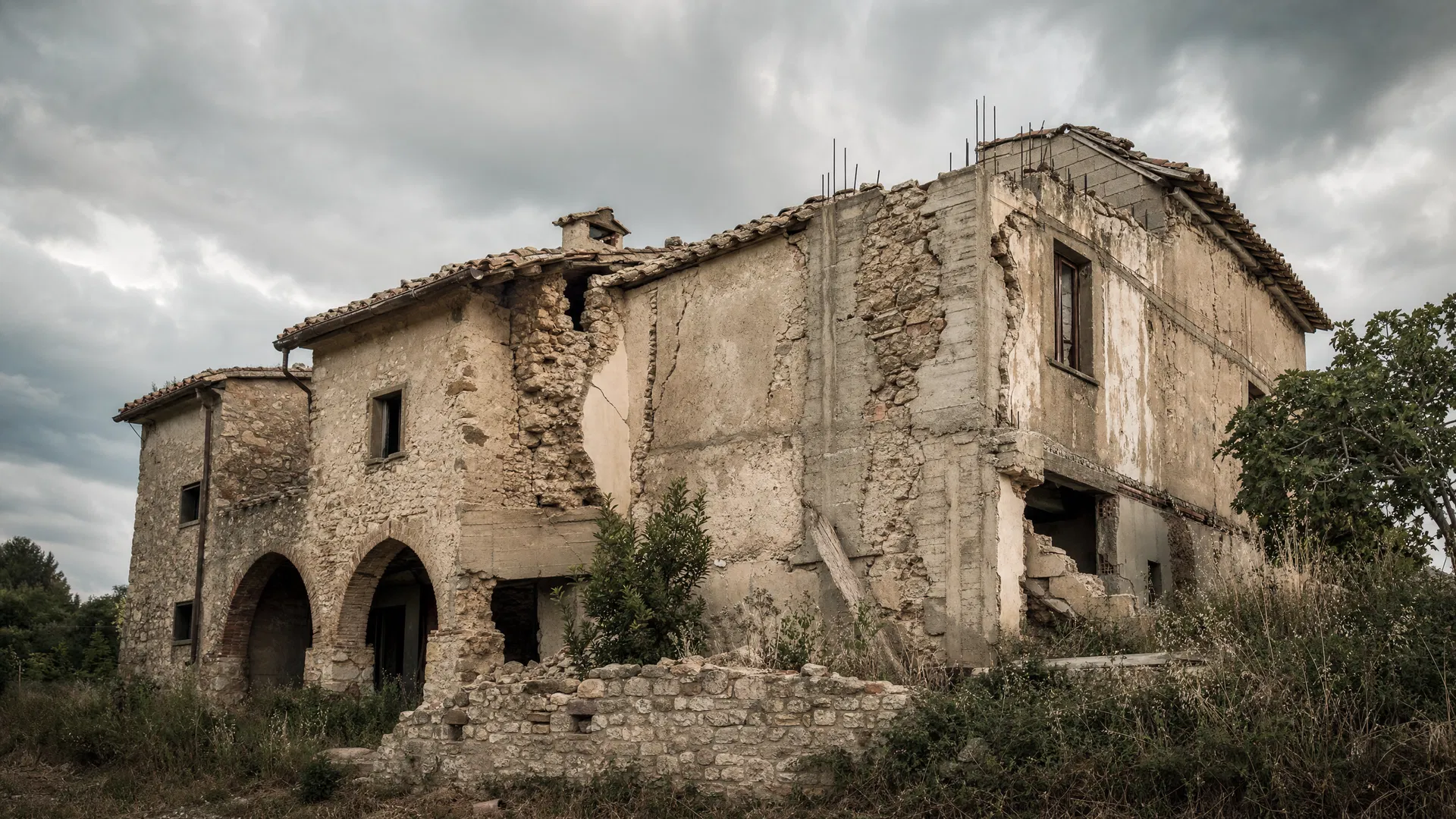
Heating a stone farmhouse in Tuscany is one of the most underestimated technical challenges for buyers purchasing to renovate. Stone walls of 50-80cm, high ceilings with exposed beams, large glazed surfaces and the absence of original insulation create thermal conditions very different from a modern home.
This article analyses all available solutions, with real pros and cons based on our direct construction site experience. For overall cost understanding, read our guide to renovation costs.
The thermal challenge of stone farmhouses
A typical Tuscan farmhouse presents these characteristics:
- Stone walls 50-80cm thick without insulation
- Wooden floors with terracotta tiles (poor acoustic and thermal insulation)
- Wooden roof structure, often without insulation
- Internal heights from 3 to 4.5 metres
- Large openings (entrance doors, wide windows)
- Exposure on all sides (isolated building)
Stone has high thermal inertia: it heats slowly and cools slowly. In summer this is an advantage (natural coolness), in winter it's a problem (it takes hours to bring the space to temperature).
The air volume is enormous: a 50 sqm living room with 4m ceiling has 200 cubic metres of air to heat. With standard 2.70m height it would be 135 cubic metres. 48% more volume means 48% more energy needed.
Solution 1: Air-to-water heat pump
The heat pump is the most energy-efficient solution and the most fiscally incentivised (Ecobonus 65%).
Pros:
- COP 3-4 (produces 3-4 kWh of heat per kWh of electricity consumed)
- Also works for summer cooling
- No combustion, no flue
- Reduced maintenance
- Compatible with photovoltaics (self-consumption)
- 65% incentivised (Ecobonus)
Cons:
- Reduced efficiency below 0°C (rare in Tuscany but possible)
- Visible external unit (problem in restricted areas)
- Requires underfloor heating for maximum efficiency
- High initial cost (€15,000-€35,000 for 250 sqm)
- External unit noise (positioning to be evaluated)
Ideal combination: underfloor heating + heat pump + photovoltaics + storage. Complete system cost for 250 sqm: €45,000-€80,000.
Solution 2: Geothermal heat pump
Geothermal exploits the constant underground temperature (12-14°C year-round) to heat and cool with efficiency superior to air-to-water heat pumps.
Pros:
- COP 4-5 (superior to air-to-water)
- No visible external unit
- Works perfectly even with sub-zero external temperatures
- Extremely quiet
- 25-30 year lifespan (geothermal probes)
Cons:
- Very high initial cost (€30,000-€60,000 for probes + pump)
- Requires external space for drilling (vertical probes 80-120m)
- Specific authorisation required
- Not always feasible (depends on terrain)
- Longer installation times
When it makes sense: isolated properties with available land, where an air-to-water external unit would be problematic due to landscape restrictions.
Solution 3: Condensing boiler + radiators
The traditional solution, still valid in many contexts, especially where floor replacement isn't possible.
Pros:
- Contained initial cost (€8,000-€15,000)
- Compatible with existing radiators
- Doesn't require floor replacement
- Mature and reliable technology
- Rapid heating (high-temperature radiators)
Cons:
- Lower efficiency than heat pump (COP ~1)
- Requires flue (problem in restricted areas)
- Rising gas costs
- Doesn't cool in summer
- Only 50% incentivised (class A) or 65% (class A+ with thermostatic valves)
When it makes sense: partial renovations where floors aren't being redone, or as backup for heat pump.
Solution 4: Biomass stove/fireplace
Wood or pellet: a solution that makes both economic and aesthetic sense in Tuscany.
Pros:
- Low fuel cost (wood €80-€120/cubic metre, pellet €5-€8/bag)
- Atmosphere and aesthetic value (visible fireplace)
- Independence from gas network
- Incentivised (Conto Termico up to 65%)
- Pleasant radiant heating
Cons:
- Not automatable (wood) or partially (pellet)
- Requires fuel storage
- Annual flue maintenance
- Non-uniform heat distribution
- PM10 emissions (restrictions in some areas)
- Not sufficient as sole system for large farmhouses
Ideal combination: wood fireplace as aesthetic integration + heat pump as main system.
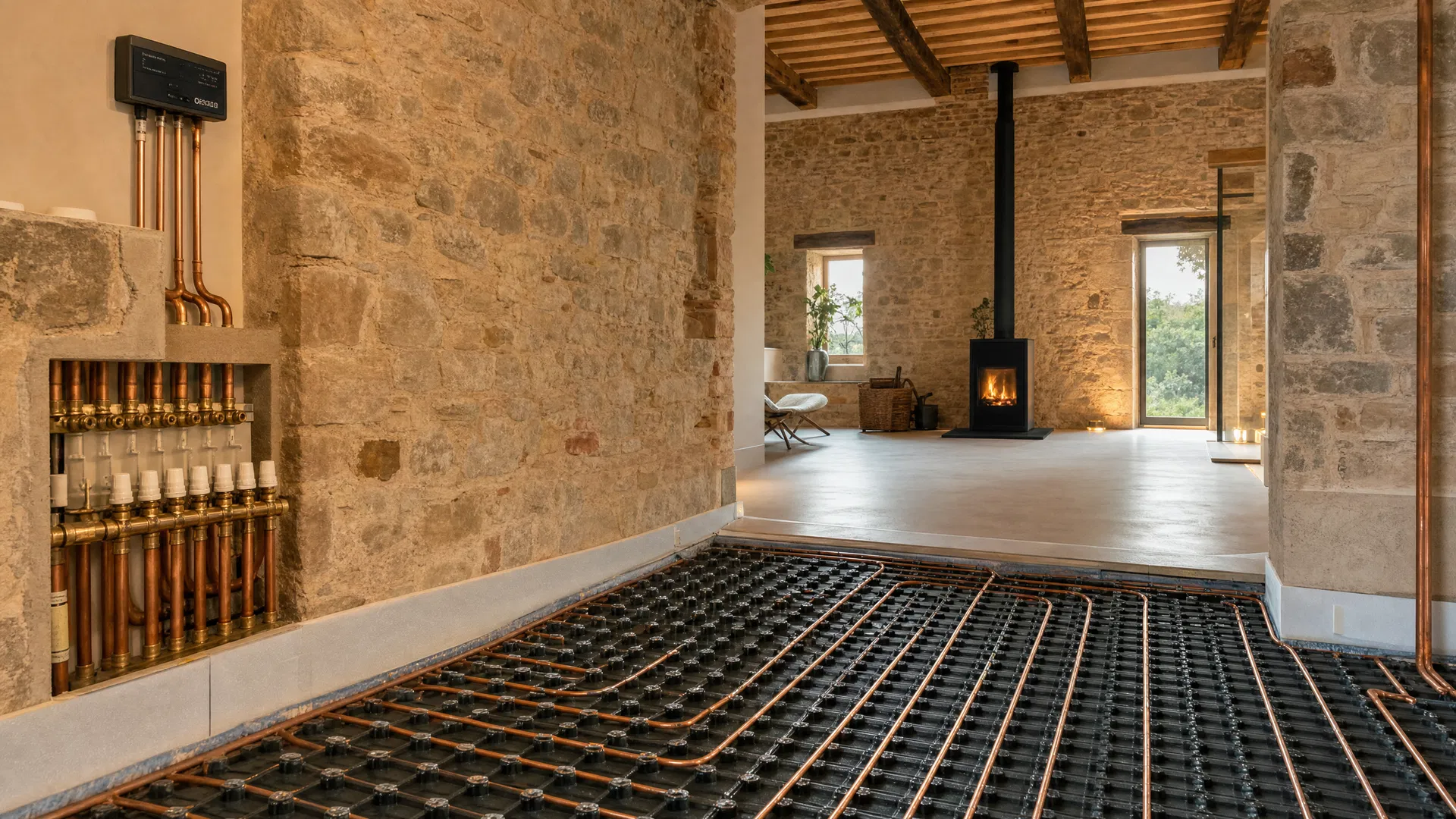
Solution 5: Underfloor radiant heating
Not a heat source but a distribution system. Works with low-temperature water (30-35°C) and is the ideal partner for heat pumps.
Pros:
- Superior comfort (uniform heat from below)
- No wall radiators (furnishing freedom)
- Works at low temperature (heat pump efficiency)
- Can cool in summer (cold radiant floor)
- Compatible with terracotta and stone floors
Cons:
- Requires complete floor replacement (8-10cm thickness)
- Cost: €80-€120/sqm (system only, excluding flooring)
- High thermal inertia (slow to respond)
- Not suitable for occasional use (second homes used only weekends)
- Requires insulation underneath (otherwise heats the floor below)
Note for farmhouses: underfloor heating in a farmhouse with original terracotta flooring poses a dilemma: preserve the terracotta (historical value) or install radiant heating (comfort). Solution: recover the terracotta, install the radiant system, relay the terracotta on top.
Solution 6: Hybrid systems
The most frequent solution in our projects is a hybrid system combining multiple technologies:
Typical configuration for 250 sqm farmhouse:
- Air-to-water heat pump (main system)
- Underfloor heating (ground floor distribution)
- Wall-mounted fan coils (first floor distribution, where floors aren't redone)
- Wood fireplace (aesthetic and emergency integration)
- 6 kWp photovoltaic system (self-consumption)
- Thermal storage (300-500 litre buffer)
Complete system cost: €60,000-€100,000
Annual running cost: €2,000-€4,000 (with photovoltaics)
Applicable incentives: Ecobonus 65% on heat pump and insulation
Insulation: the prerequisite
Before choosing the heating system, you must reduce heat loss. In a stone farmhouse:
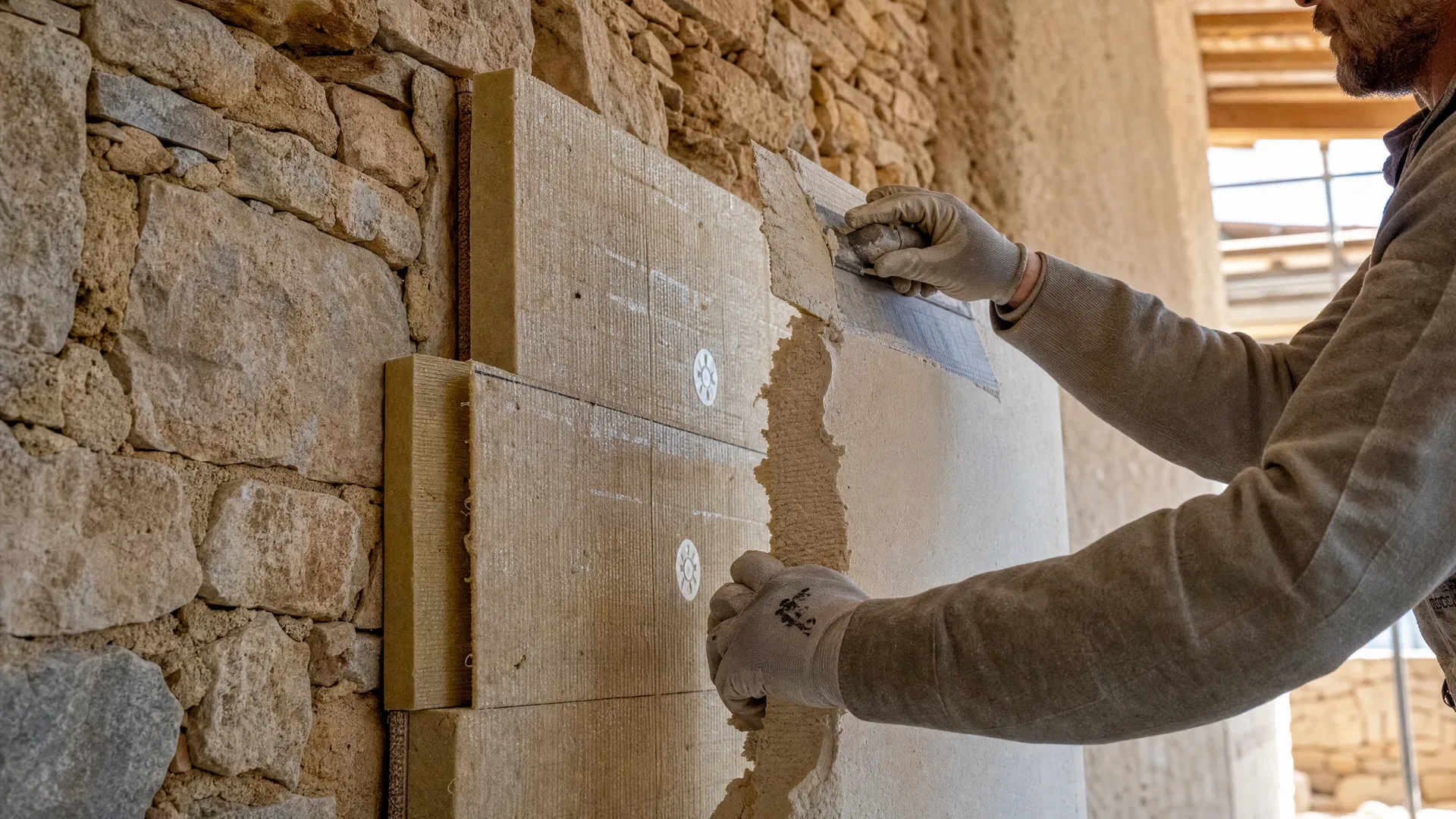
Roof: insulation with wood fibre or rock wool (12-16cm). Cost: €80-€120/sqm. Energy saving: 30-40%.
Windows: replacement with thermal-break wood-aluminium (Uw < 1.3 W/m²K). Cost: €800-€1,500 per window. Saving: 15-25%.
Walls: in restricted areas, external insulation is prohibited. Alternatives: internal thermal plaster (3-5cm, limited), internal counter-wall with insulation (effective but reduces space), no intervention (60+ cm walls already have decent inertia).
The MANINI method for thermal comfort
MANINI EXTRA designs the thermal comfort system as an integral part of the renovation project, not as a separate choice. Our approach:
- Energy analysis of the existing building
- Thermal simulation with dedicated software
- Integrated design of insulation + system + sources
- Optimisation to maximise tax incentives
- Material selection compatible with landscape restrictions
- Correct sizing (neither over nor undersized)
Renovating a stone farmhouse and want to understand which heating system is most suitable? Request a technical consultation with our team.
Frequently Asked Questions
What is the best heating system for a stone farmhouse?
The most efficient solution is a hybrid system: air-to-water heat pump as main system, underfloor heating on ground floor, fan coils on first floor, wood fireplace as integration. Complete cost for 250 sqm: €60,000-€100,000.
How much does it cost to heat a stone farmhouse per year?
With a hybrid system (heat pump + photovoltaics), annual cost for a 250 sqm farmhouse is €2,000-€4,000. With traditional gas boiler, €4,000-€7,000. The difference pays for itself in 5-8 years.
Can you install underfloor heating in a farmhouse with original terracotta?
Yes: recover the original terracotta, install the radiant system, and relay the terracotta on top. Additional cost for recovery is €30-€50/sqm, but preserves the property's historical value.
Does a heat pump work well in Tuscany in winter?
Yes, excellently. Winter temperatures in Tuscany rarely drop below 0°C, the ideal range for air-to-water heat pumps (COP 3-4). Only on the coldest nights does efficiency drop slightly.